WHAT IS GALAXY?
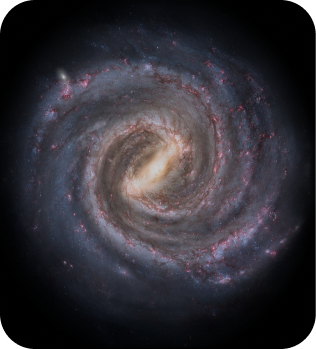
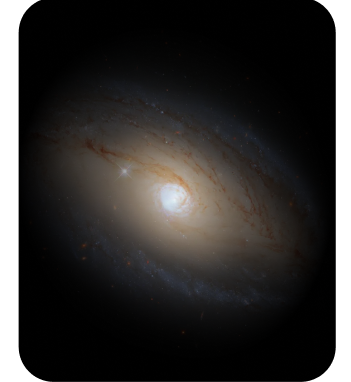
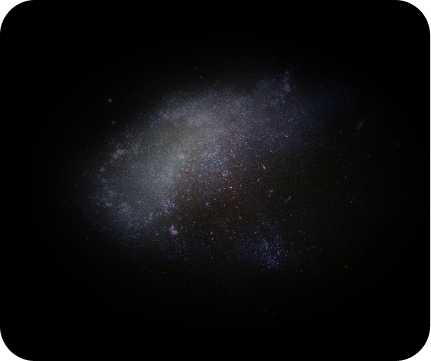
A galaxy is a huge collection of gas, dust, and billions of stars and their solar systems.
A galaxy is held together by gravity.
Our galaxy, the Milky Way, also has a supermassive black hole in the middle.
3 TYpes of Galaxy
FACT:
Sometimes galaxies get too close and smash into each other. About five billion years our Milky Way galaxy will someday bump into Andromeda, our closest galactic neighbour.
Sometimes galaxies get too close and smash into each other. About five billion years our Milky Way galaxy will someday bump into Andromeda, our closest galactic neighbour.
DO GALAXIES DIE?
Yes. Just like matter and life, even something as vast as a galaxy can come to an end.
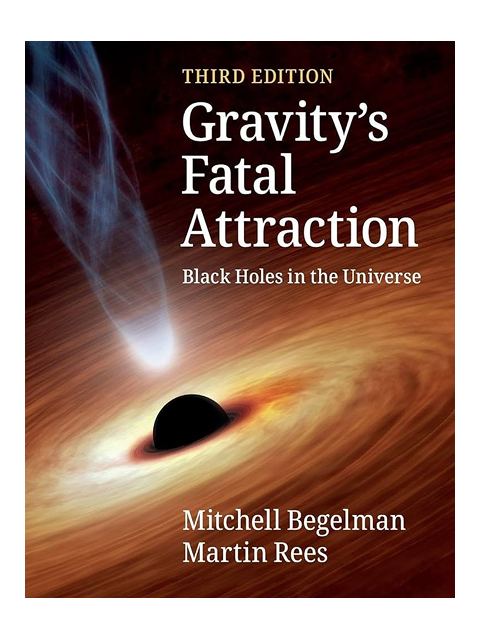
Around the 1990s, British Royal Astronomer Martin Rees observed that the supermassive black hole at a galaxy’s center can release enormous energy, heating or blowing away the surrounding gas.
Without cold gas, a galaxy can no longer form new stars — and that marks the beginning of its death.
As a galaxy grows larger, so does its central black hole.
And a bigger black hole produces even stronger jets, destroying the cold gas needed to create stars.
It is almost like the relationship between life and time: the bigger it becomes, the closer it moves toward its inevitable end.
But one thing is certain — the end of our civilization will have nothing to do with the death of the Milky Way.
WHAT IS BLACK HOLE?
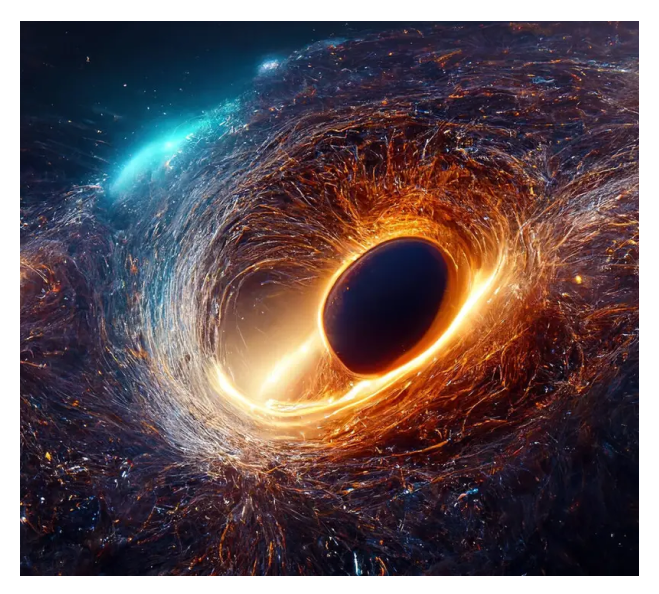
Black holes are points in space that are so dense they create deep gravity sinks. Beyond a certain region, not even light can escape the powerful tug of a black hole’s gravity.
Supermassive black holes, predicted by Einstein’s general theory of relativity, can have masses equal to billions of suns; these cosmic monsters likely hide at the centre of most galaxies.
The Milky Way hosts its own supermassive black hole at its centre known as Sagittarius A* (pronounced “ay star”) that is more than four million times as massive as our sun.
The tiniest members of the black hole family are, so far, theoretical. These small vortices of darkness may have swirled to life soon after the universe formed with the big bang, some 13.7 billion years ago, and then quickly evaporated. Astronomers also suspect that a class of objects called intermediate-mass black holes exist in the universe, although evidence for them is so far debatable.
No matter their starting size, black holes can grow throughout their lives, slurping gas and dust from any objects that creep too close. Anything that passes the event horizon, the point at which escape becomes impossible, is in theory destined for spaghettification thanks to a sharp increase in the strength of gravity as you fall into the black hole.